

Variety Description
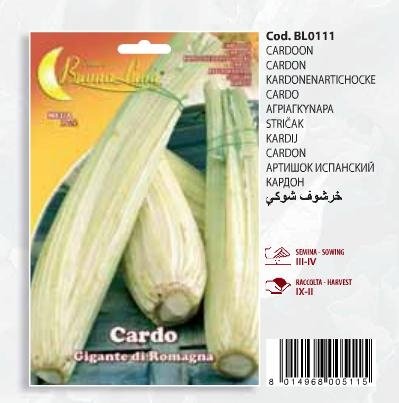
Kale is a traditional leafy vegetable. It is well known for its large green leaves and steady growth. The plant grows vigorously and forms rich foliage from early stages. As a result, growers enjoy continuous leaf harvest over a long period.
The leaves show an intense green colour and firm texture. In addition, they maintain good quality and mild flavour. For this reason, kale suits both fresh consumption and cooking.
Growing Requirements
Kale grows best in cool climates and fertile, well-drained soils. It prefers locations with adequate sun exposure, while it also tolerates low temperatures.
Moreover, regular irrigation supports healthy leaf development. Especially during early growth, moisture helps the plant establish quickly. In addition, balanced fertilization improves leaf tenderness and overall quality.
Sowing and Cultivation
Growers usually sow kale from late summer to autumn. This timing allows for autumn and winter harvest. In regions with mild climates, cultivation can also start earlier.
The plants emerge quickly and show steady growth. As a result, leaf harvesting begins a few weeks after sowing and continues gradually.
Leaf Characteristics
Kale produces large and dense leaves. They keep a strong green colour and good texture after harvest.
Therefore, the crop is suitable for fresh use, cooking and traditional recipes.
Advantages
Kale offers cold tolerance and stable production. At the same time, it provides easy cultivation and continuous harvest. For these reasons, it is suitable for both home gardens and commercial production.
See also : Brussels Sprouts